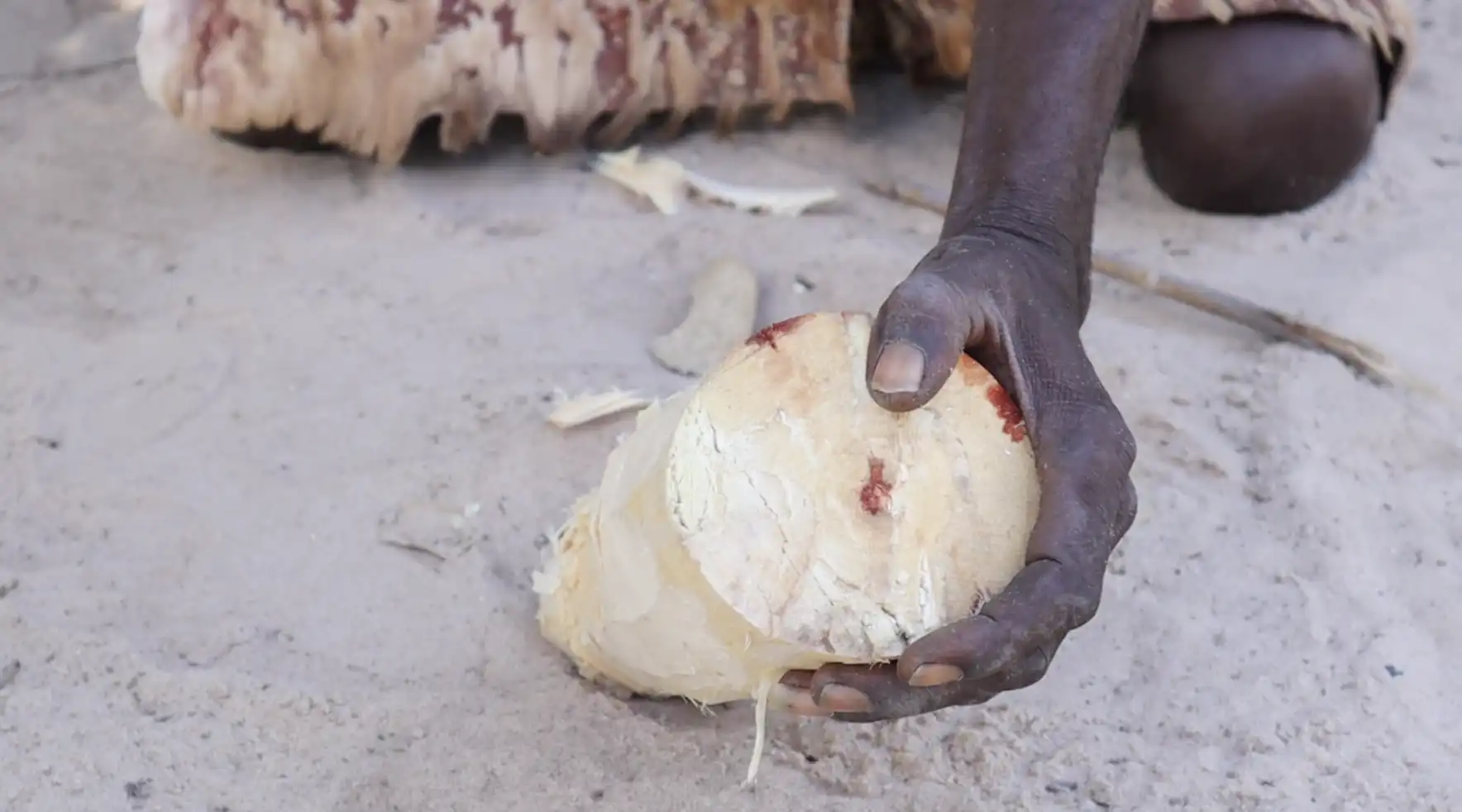

red paste comes into being after the red ochre powder
mixed with butter omaadi eengobe and in some cases with
watermelon seeds oil omaadi eenhanga
the process of smearing omufuko when going through
a female initiation is called okulomona and can be done
by any woman from your father's totem family:omukwaanime.
Totem are the families that are related to the animals like
Lion - omukwaanime, snake - omukwaanyoka, hyena - omukwanekamba,
and elephant - omukwamhalanga



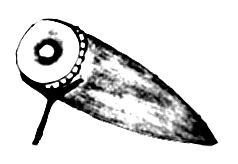



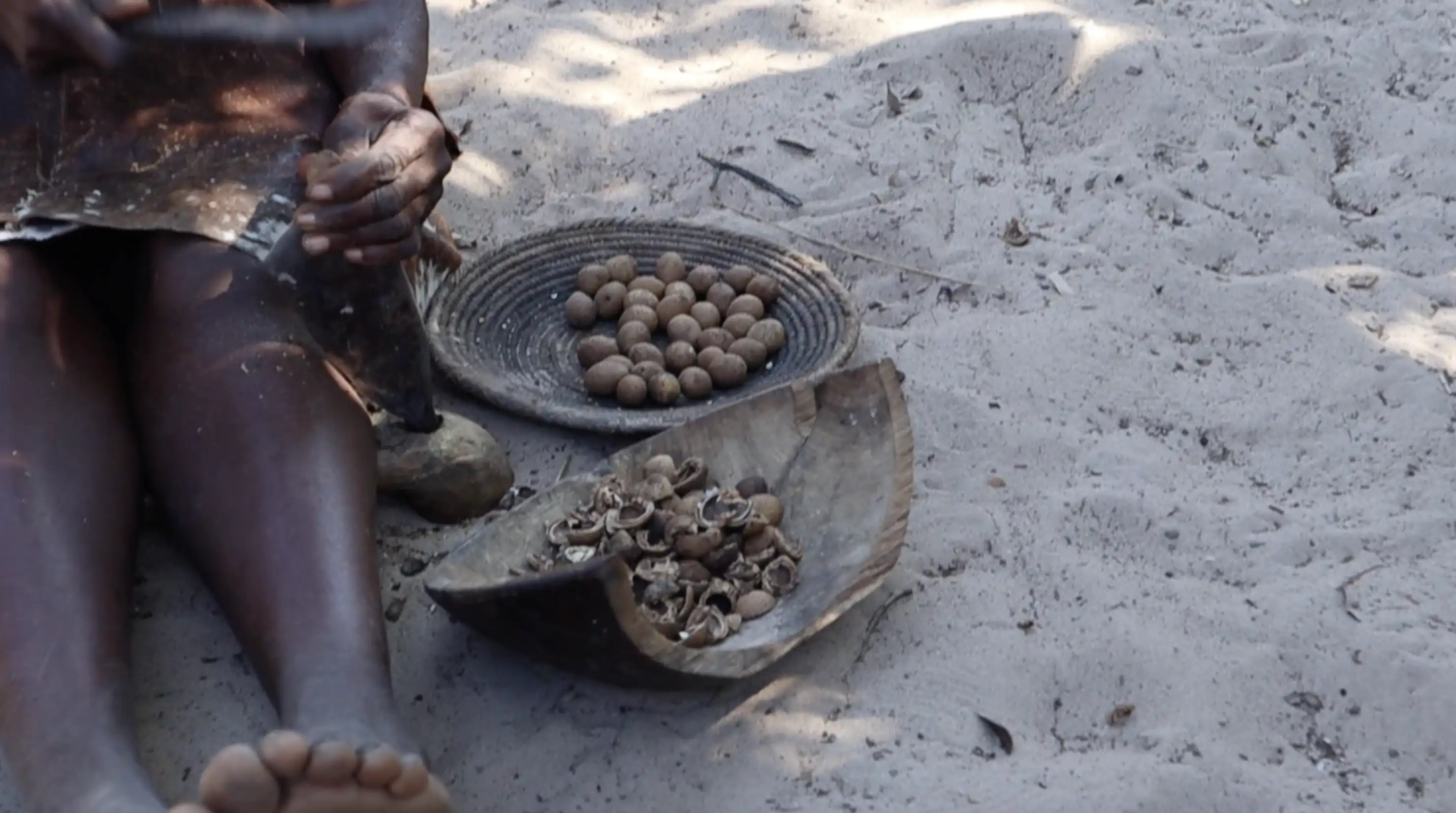
red ochre olukula comes from the
centre olute of the omuuva wood
that could be the stem / root /
branch, which women prepare to
turn it into a powder


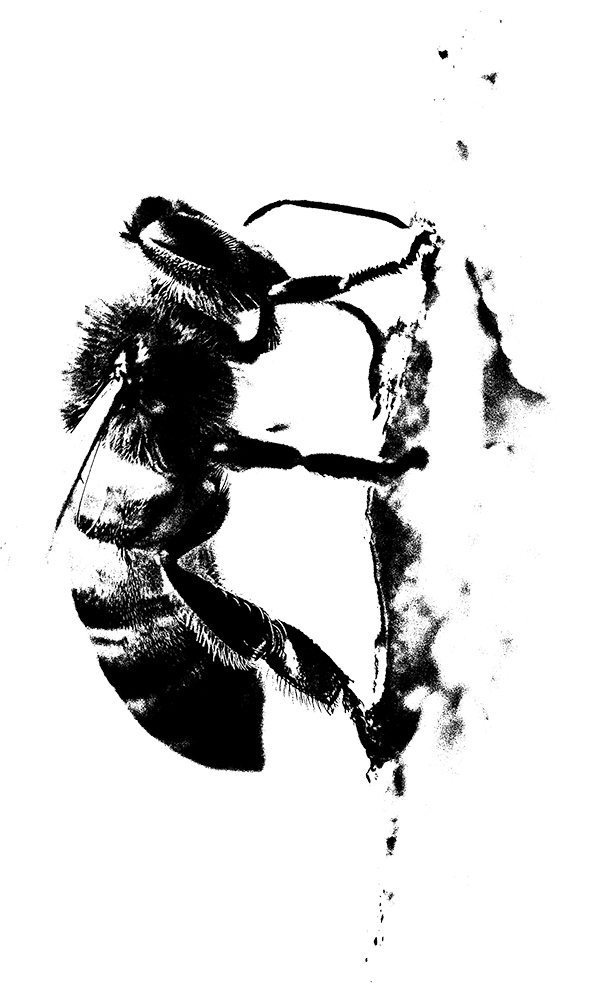
Owishi is a special bee that lives deep inside the earth.
One can skillfully collect some sticky liquid eenghanyamo
that drips from open barks of mopane or acacia trees.
Owishi forms up a hard container okakola from such liquid,
building it underneath, stored oifima, and honey owishi in it
that they sucked from flowers.
If you see Owishi you shall never point your finger at them!
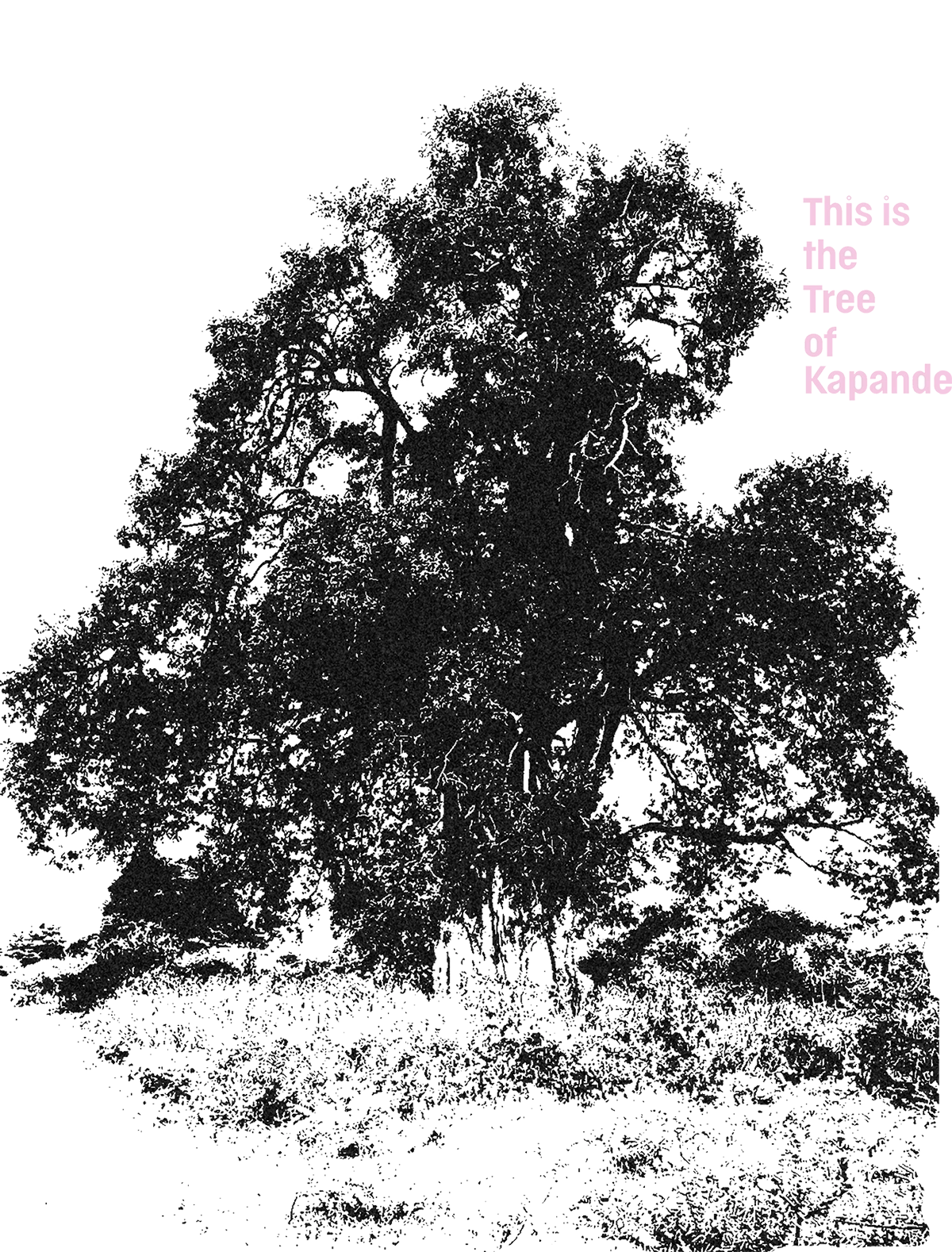

Ongoma is carved from male and female omuuva
and palm / omulunga trees. Female omulunga
bear fruits called oondunga, while male displays
pollination / flowers oonsheno only. Female omuuva
has big leaves; bear beans called "omaakashala",
while male has small leaves and testicles "omatondo"
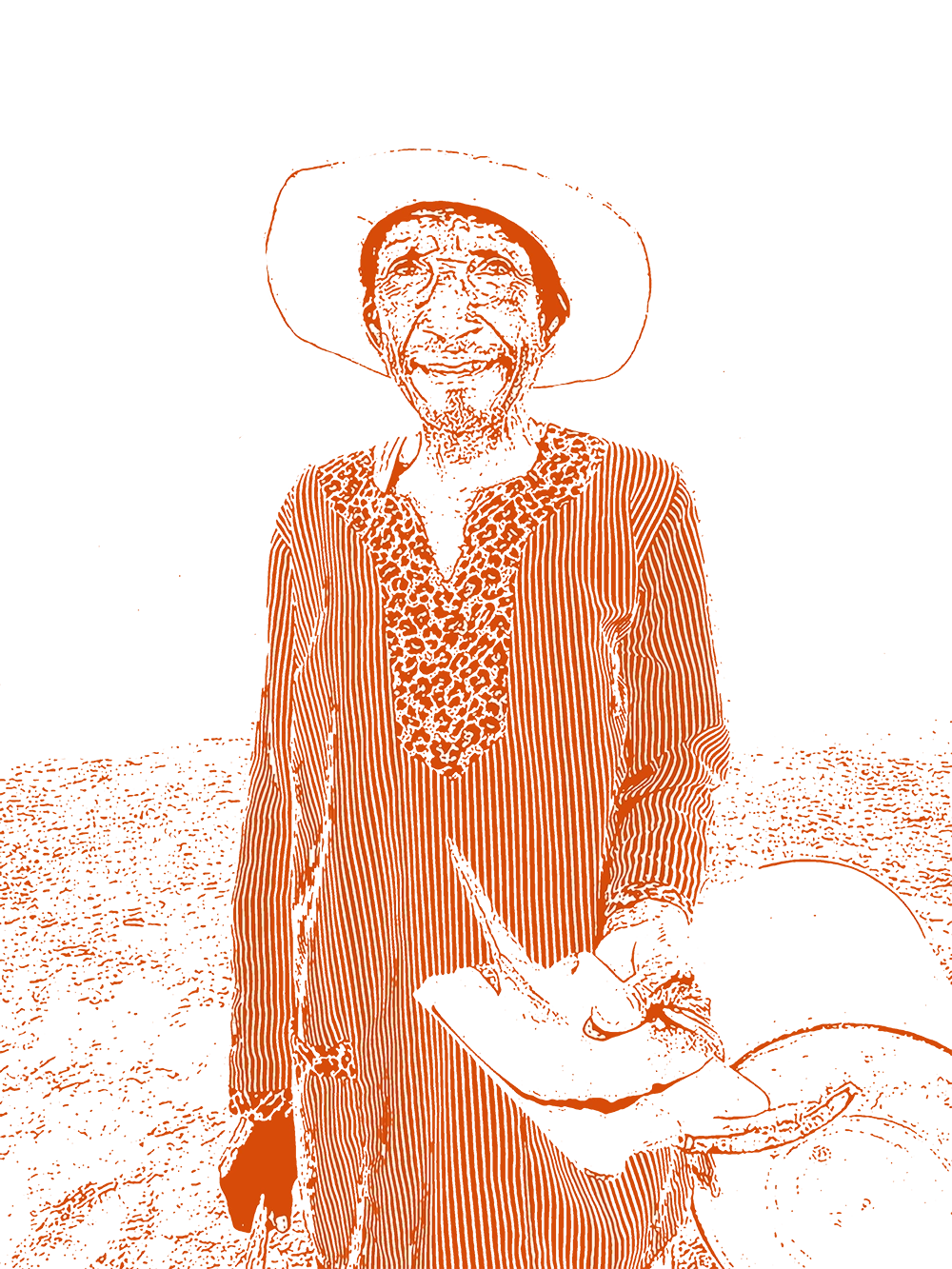


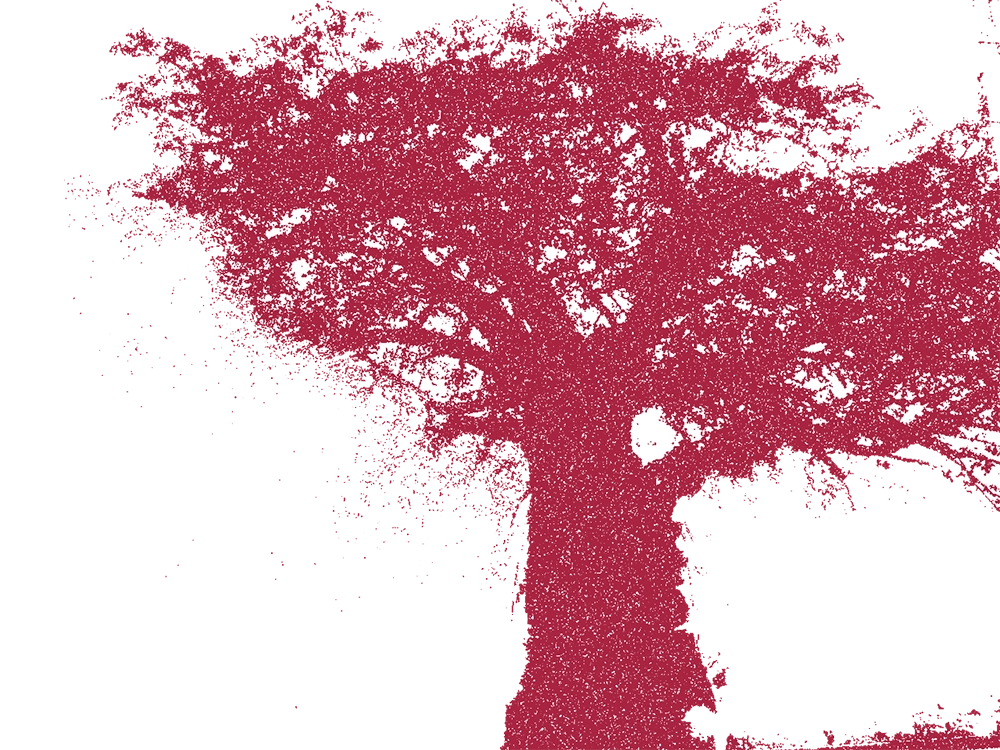
Pink colour that was always taken from
Kyat tree is called oshide.
As the generic word for tree is OMUTI
and Muti means medicine the red fluid
which comes from the bark of a Kyat tree
is medicine to protect the body and the
spirit of those who use it. clothes, neclesses, fur
- everything that Aawambo people wear is pink
which used to show the deep interrelation
between tree and human. After the Finnish missionaries
discouraged Aawambo from using red ochre olukula,
which they replaced with artificial powder.
The Word for Tree is Medicine
A Drum made from Trees is Medicine
Colour made from Trees is Medicine
Drinks made from Trees is Medicine
Ongoma Sangoma Ingoma means Healing

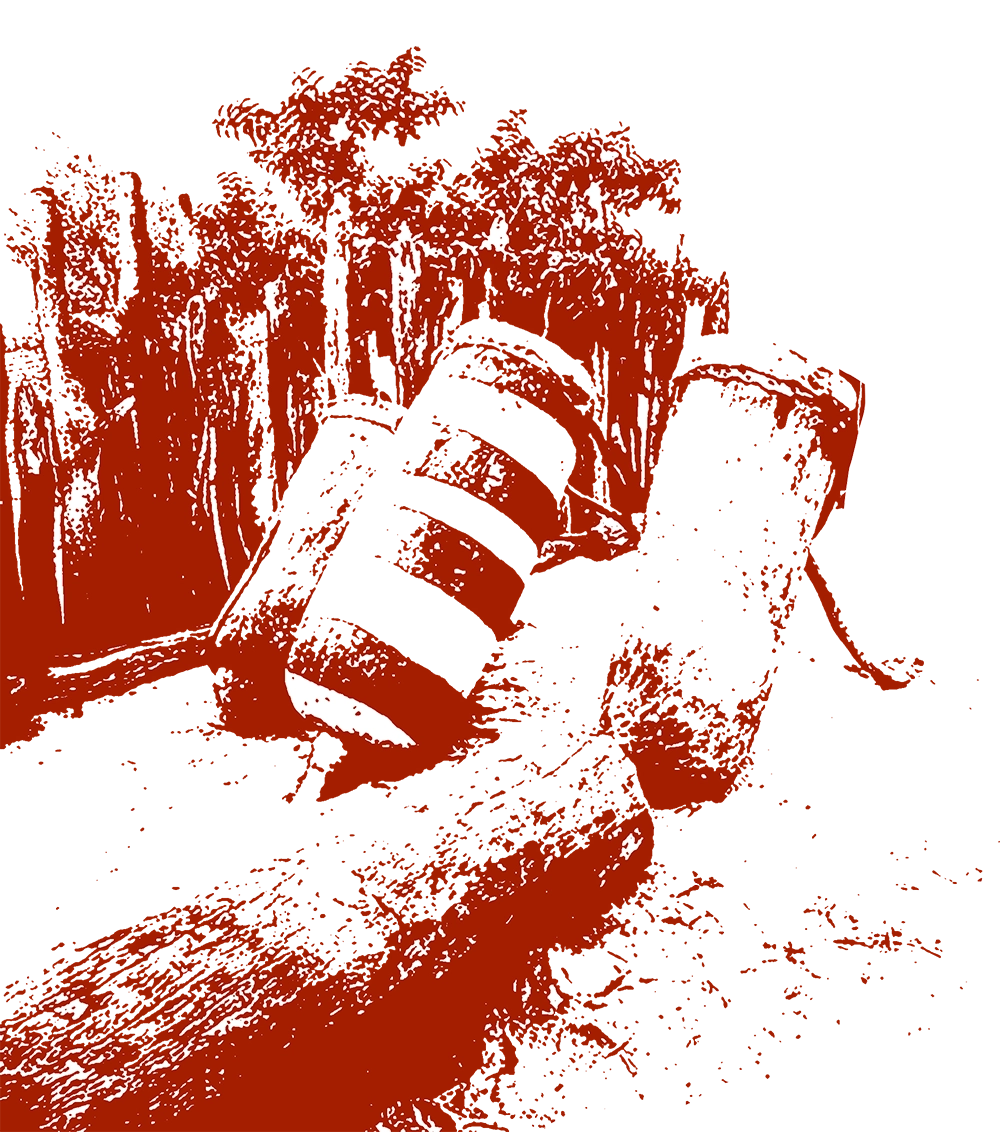
there are ongoma drums for special occasions
which stay with the queen and king of the region
they are much bigger and manufactured with specific care
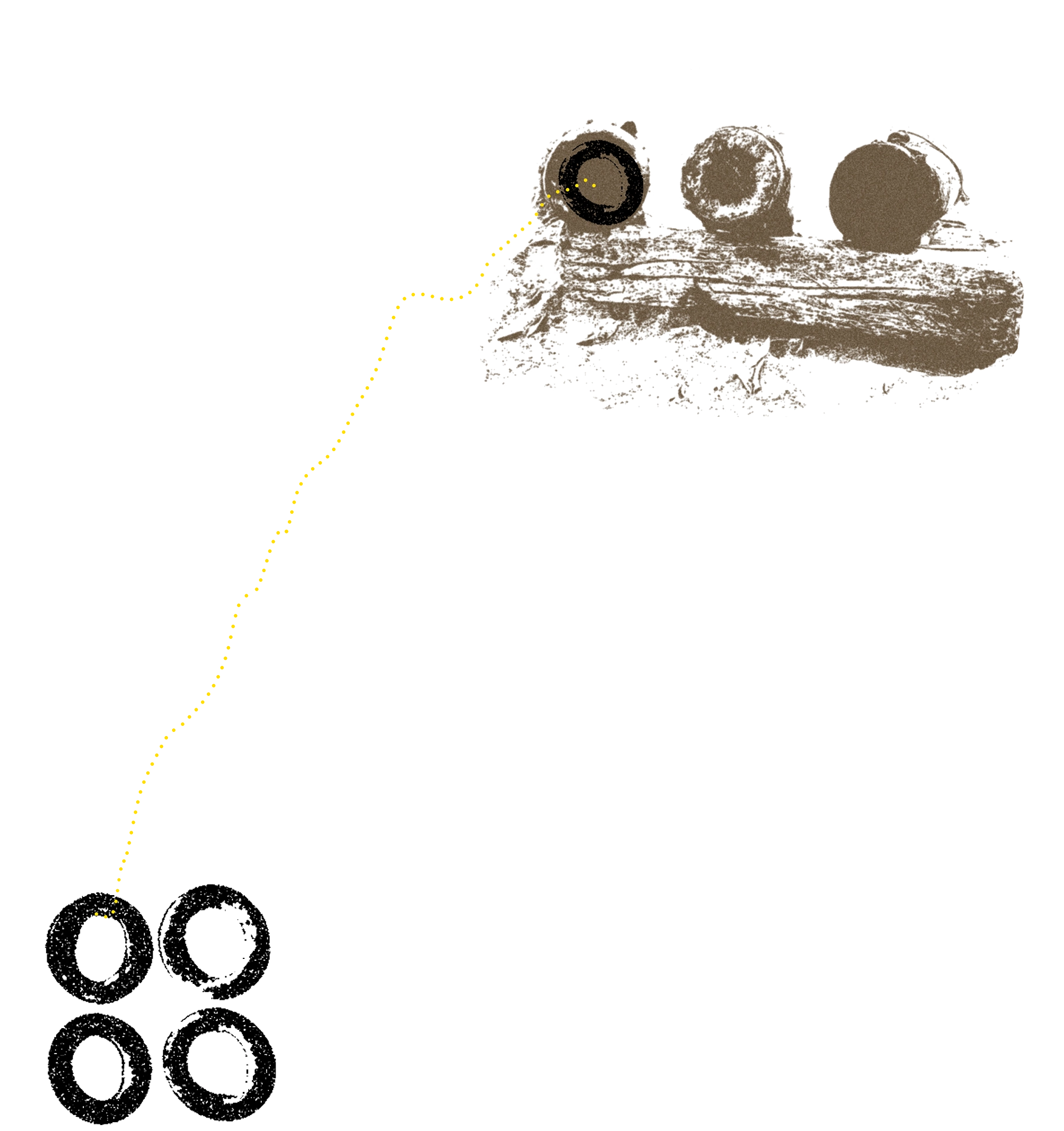
The ongoma's mouth usually gets covered
with the hide taken from the cattle sides
up to its stomach, as it is softer
comparing to the one at the back,
which said is harder
and drum makers avoided using it
as it produces dull sound.
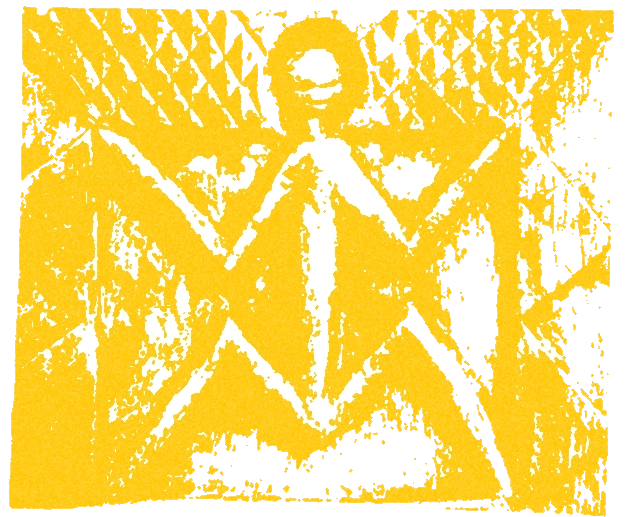
Kalunga
carved on
wooden
drum
Aawambo believed in a supreme spirit known as Kalunga.
it is said that Kalunga was the creator of the world
and every-thing that existed. he was everywhere and saw everywhere...
sometimes he stepped down to earth in different forms
and revealed himself to any person he wanted
Kalunga was portrayed as a supernatural figure
who possesed important powers over fertility, rain
and the grows of plants
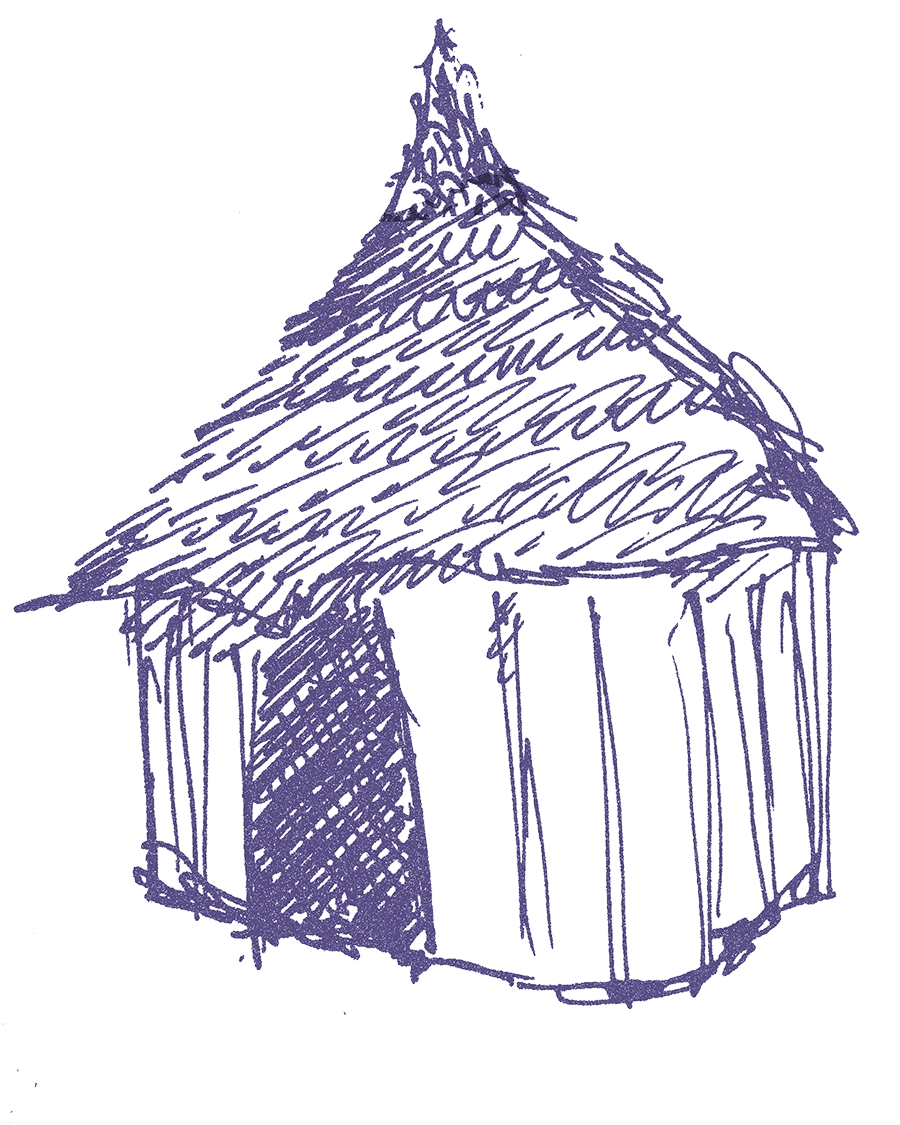

Oh! Kalunga, God of Nangombe,
Give us heavy rain today!
May the frogs be heard in the river,
May the dry bed fill its bank,
May the streams roll and roar,
May the drops begin to fall,
May the lightning flash and shine,
Thirst and hunger weaken us,
May the rain be heavy as iron,
May the drops be round as beads,
Glassy beads and milk pearls,
May we ever be honest?
May we welcome wandering strangers,
Kalunga of Nangombe, water the cattle,
May it Rain! Rain! And Rain!
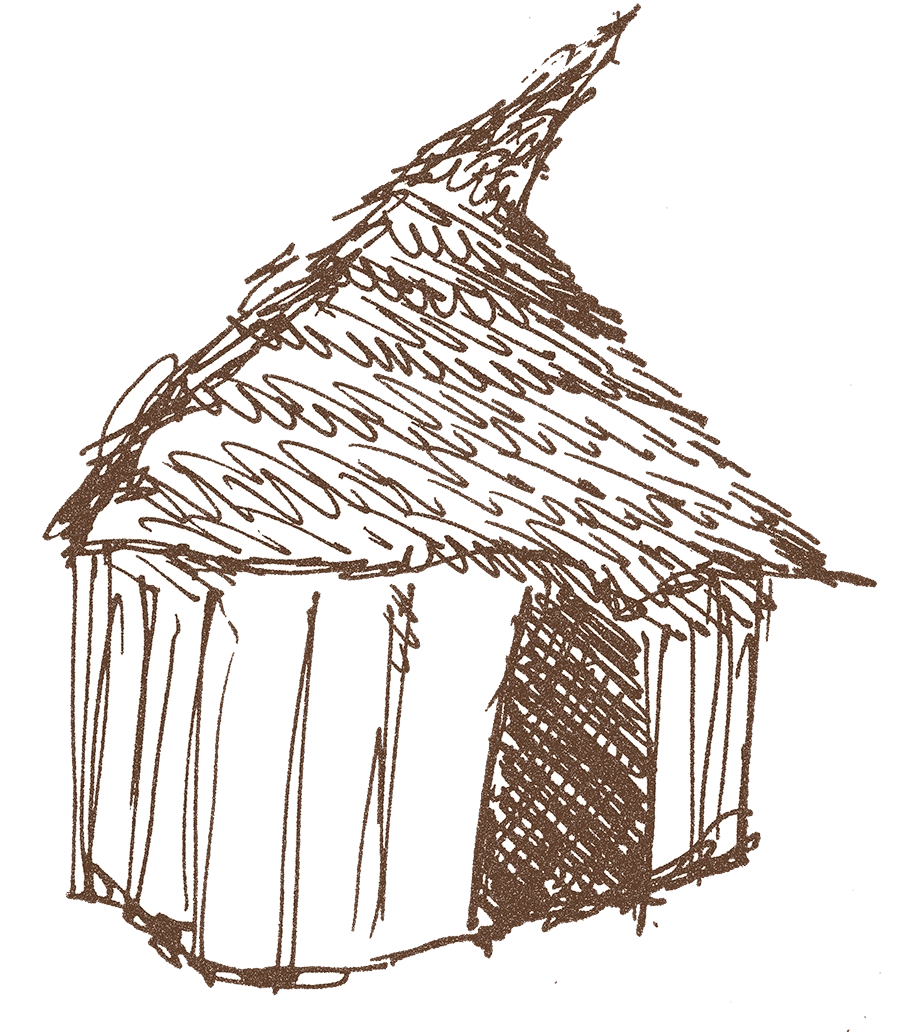
Pthuhh! Kalunga kaNangombe,
tu pa omvula.
Mvula loka u tu pe omafuma!
Lokitha omvula, iilya yo koke!
„Shitekula mapongo, tse omapongo twa ka yake,
Tse oondjendi twaa ka kuthe shomuntu“.
Yinakulu yomapongo yina yomeendaguli, ngoka
A tile: Kakango engena, kadhiya gama
Pombambo, tse nakatha tu ye tu kondje!
Tu pa omeya!

Aawambo earlier ancestors,
adopted material from trees
and animals, like skin or wood of the drum
the fur to wear, the hair of cattle,
the red colour from trees or stones,
to relate to them
to be protected by their medicine,
to share a spiritual realm

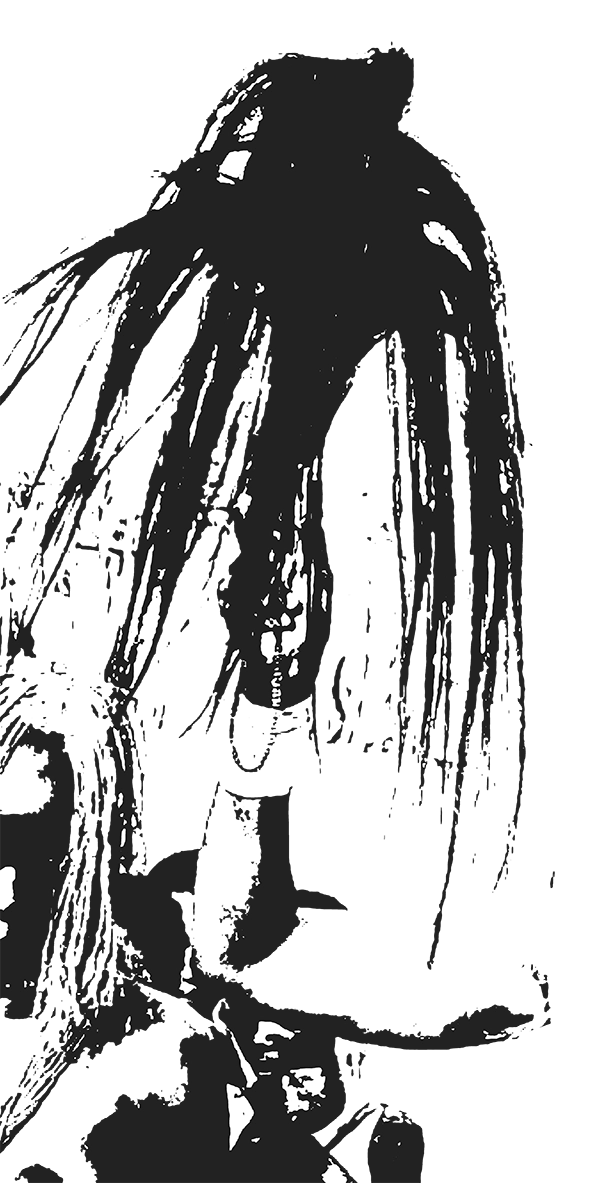
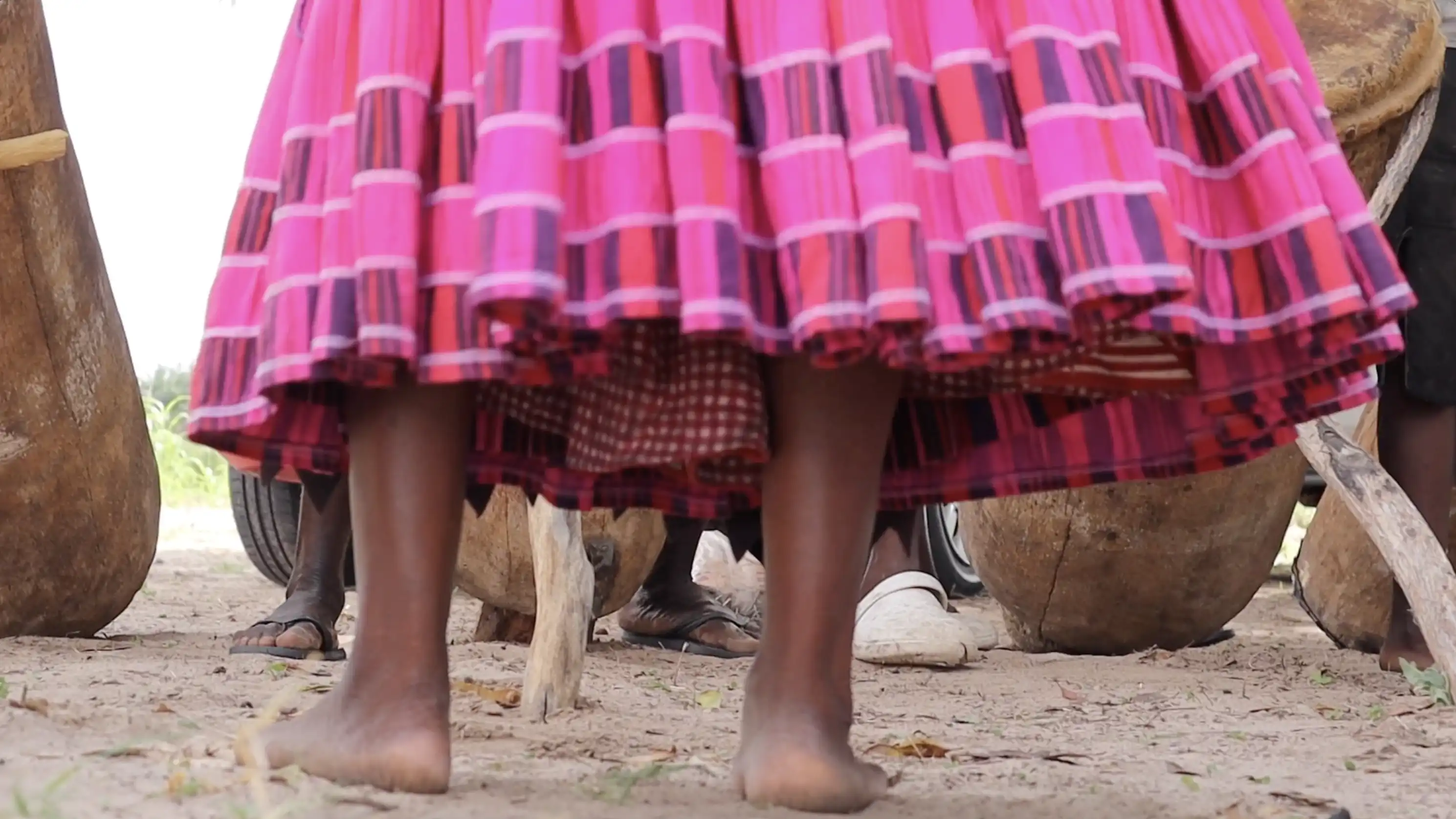
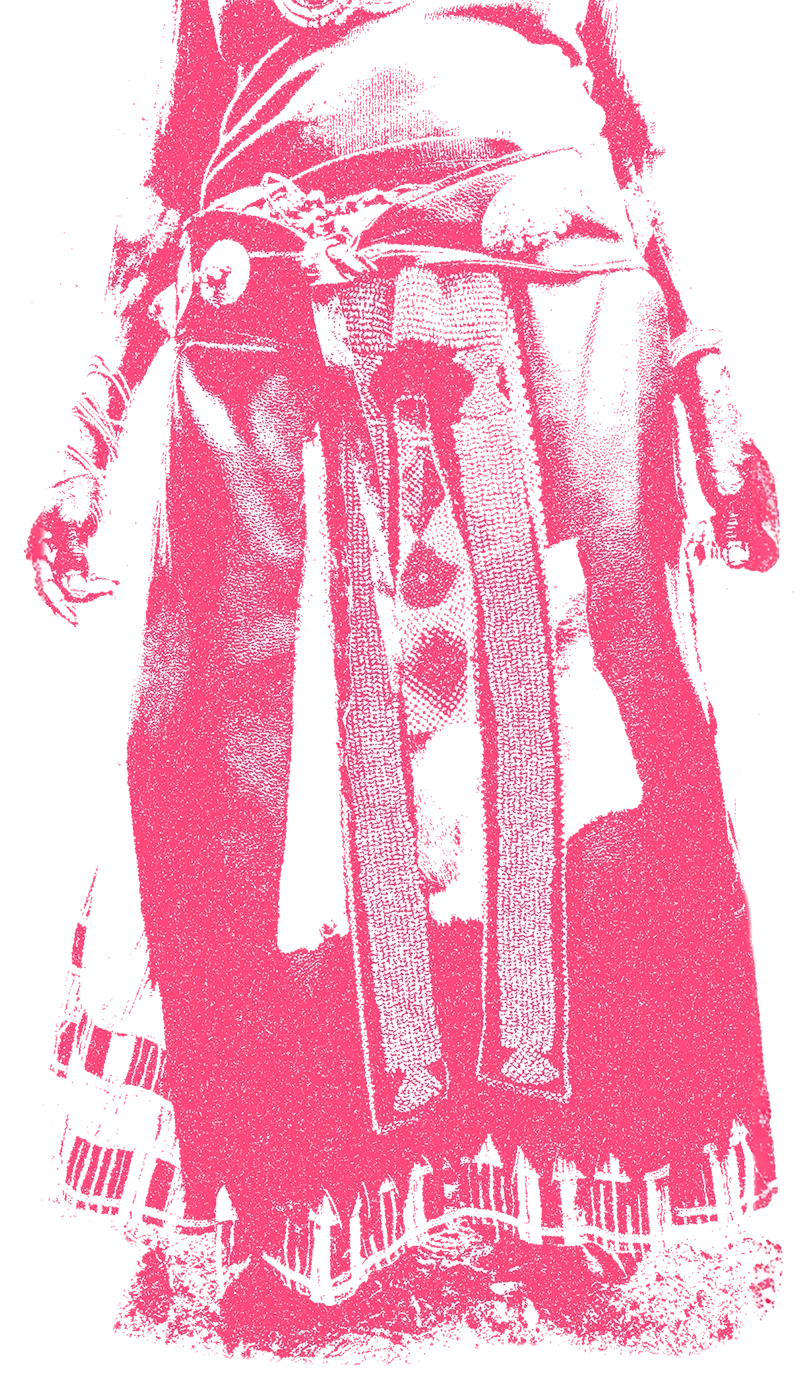
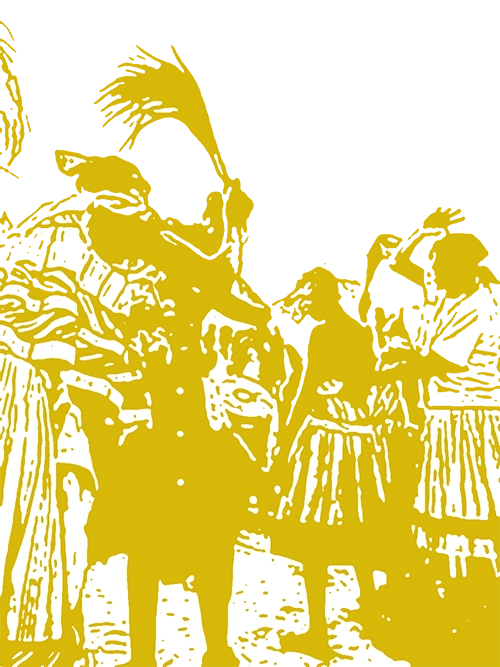
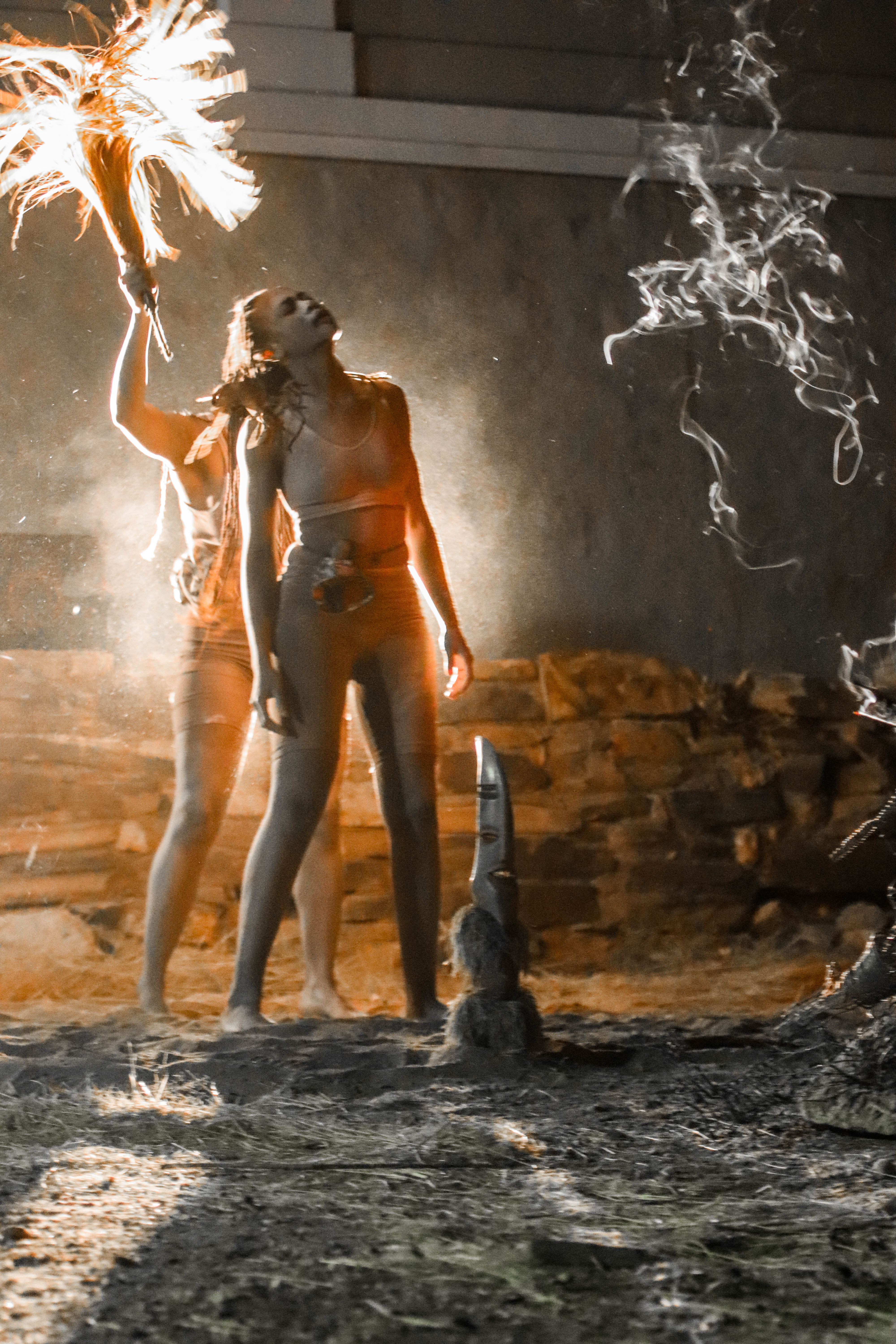
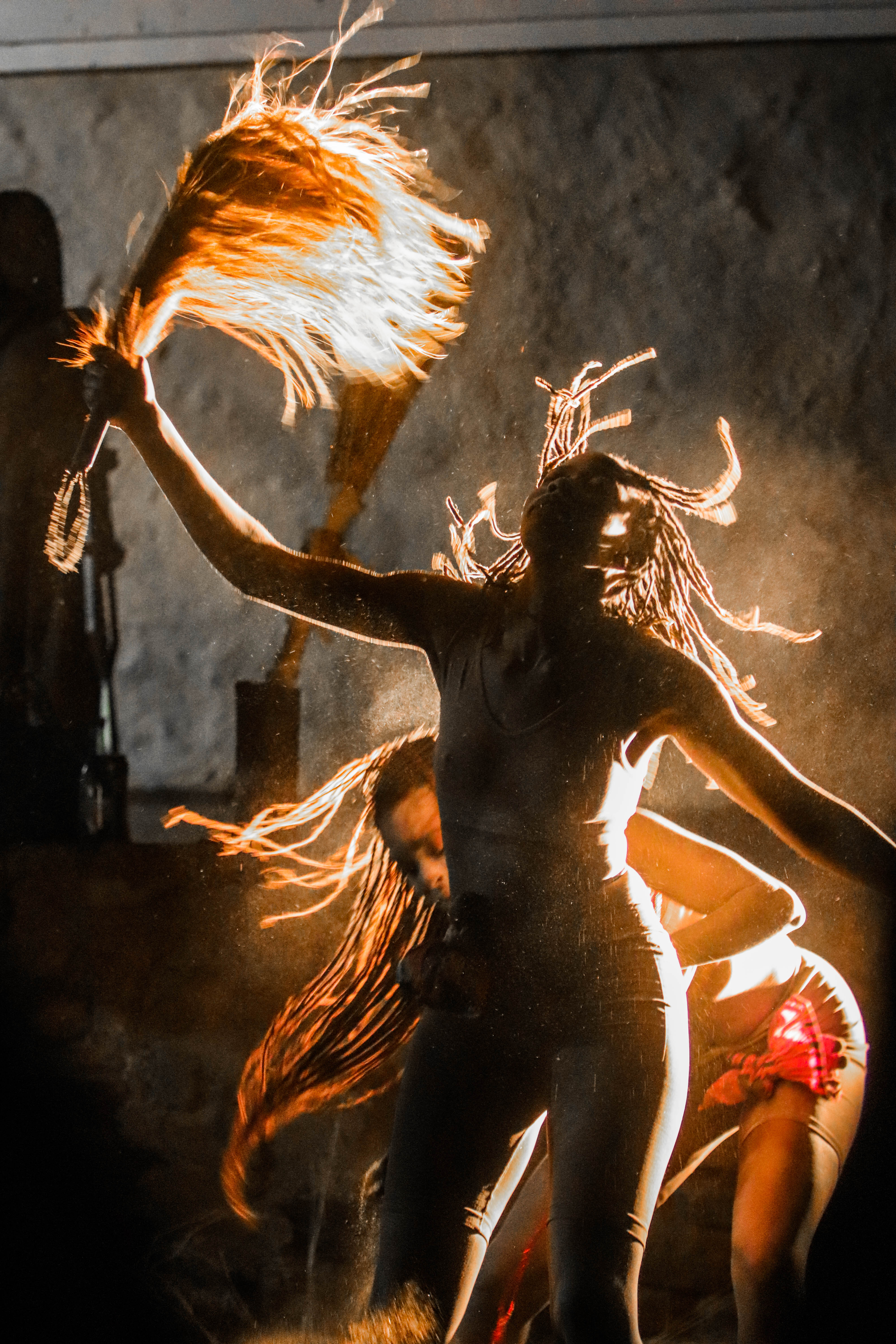
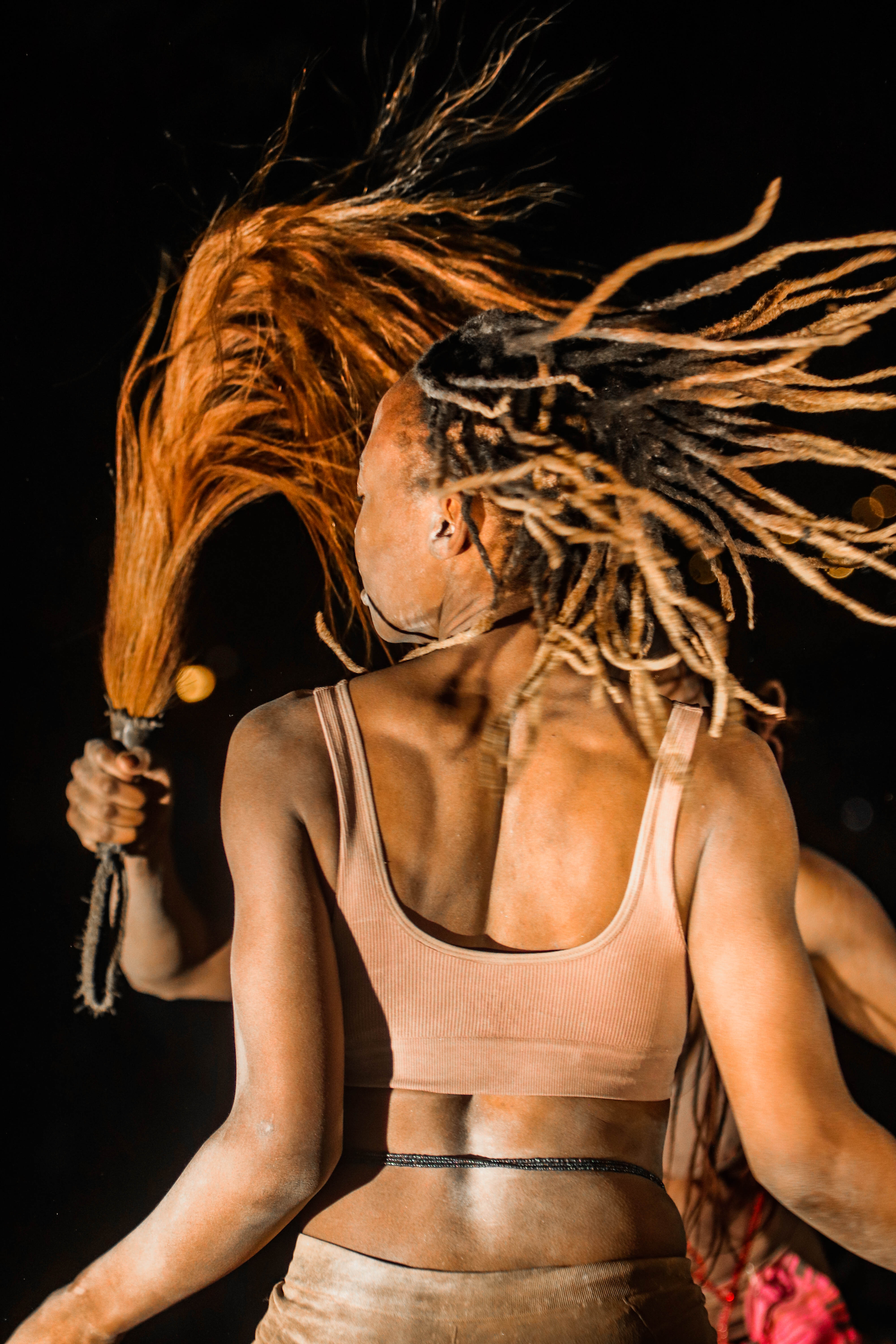
Brides are to carry the cattle wand
called efungu using it to cover their
faces when queuing to the homestead entrance.
Efungu it is also used to wave it in the air
when they are all out dancing in the circle
of the audince mondabo.
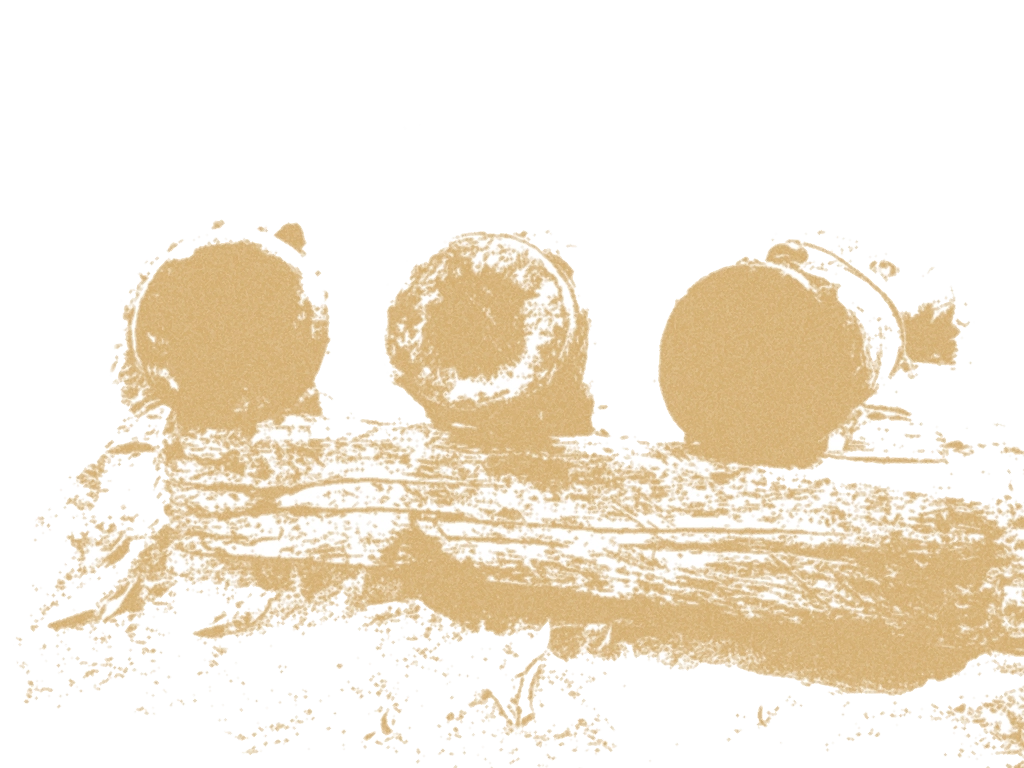
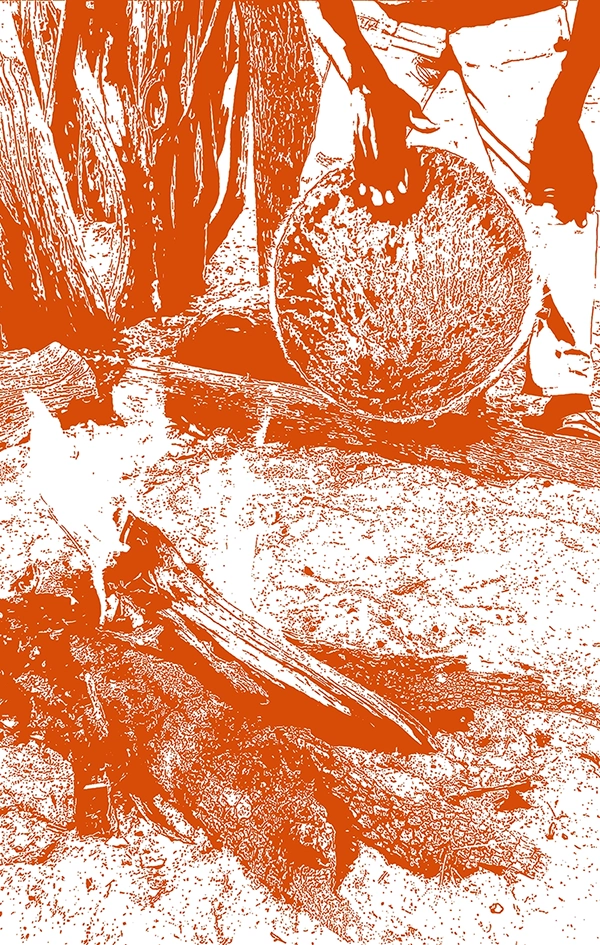

during a ritual the drums
will be in connection to the
fire to relate to the spirits
and to soften the skin
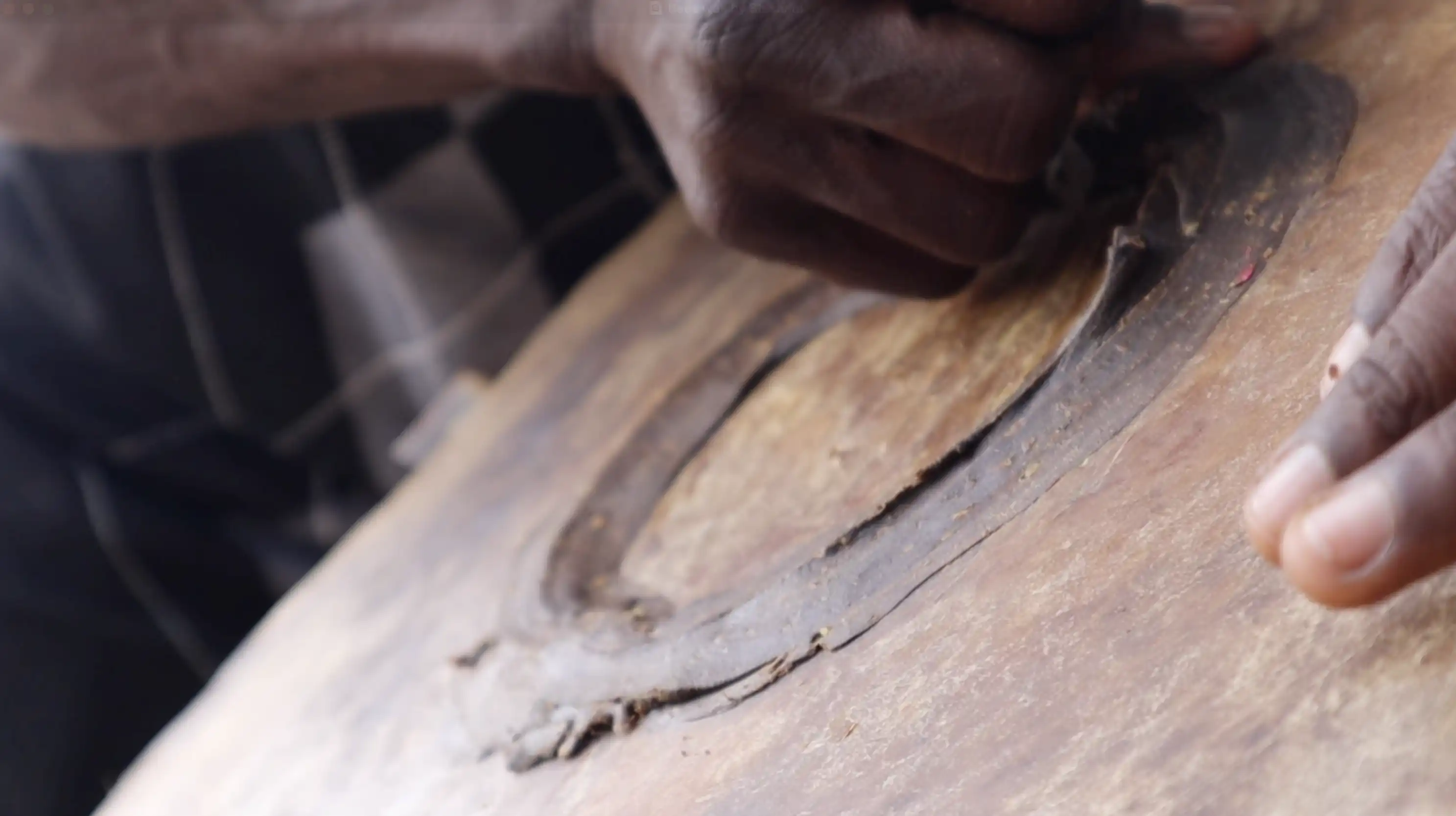
The drum makers carved and emptied the oongoma
trunk knowing the sound it would usually give;
first, second, tenor and bass. The carving process
is done under a tree nearby the path where people
pass by, giving them a chance to make their
contributions, which affirm the Oshiwambo says:
ongoma ohai hokelwa pondjila.

the drummers use bee wax to tune the drum
the circle of wax makes the sound deeper
- the male drum or father
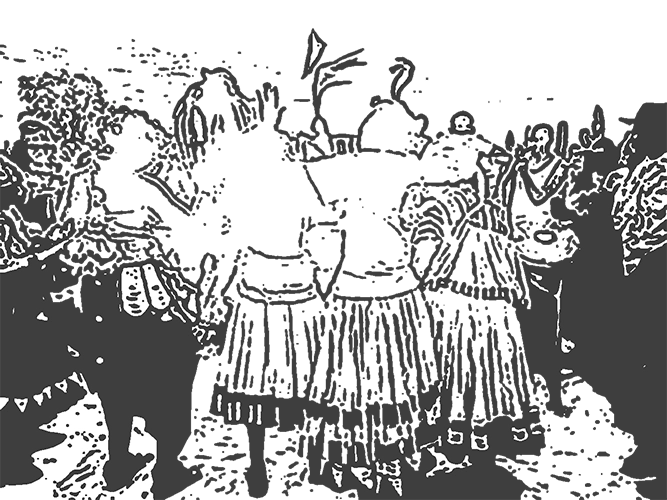
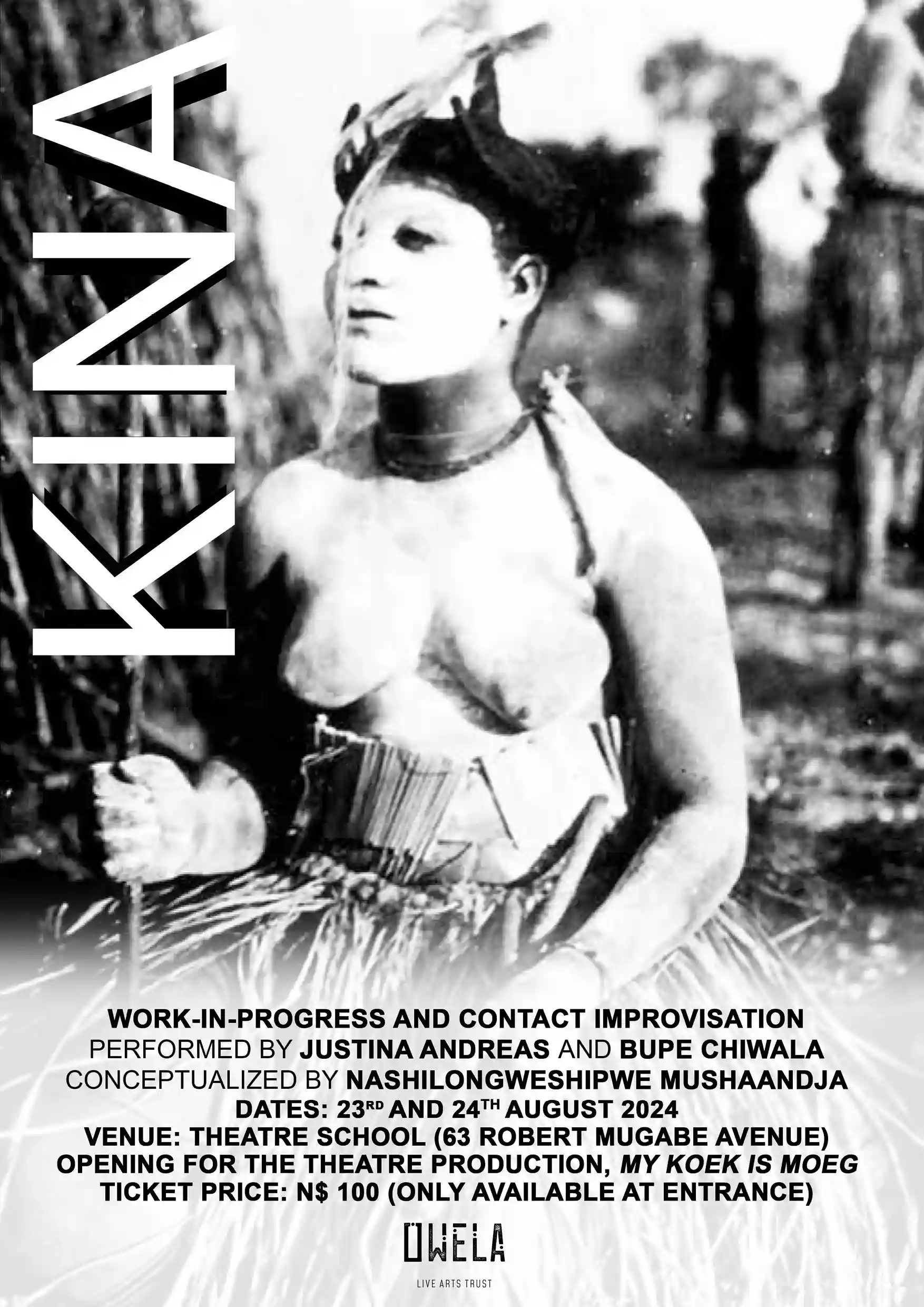
to encourage the brides to shake
their heads everyone is singing:
kina komutwe ku na epuka ekelashi oipole kakadoo ...




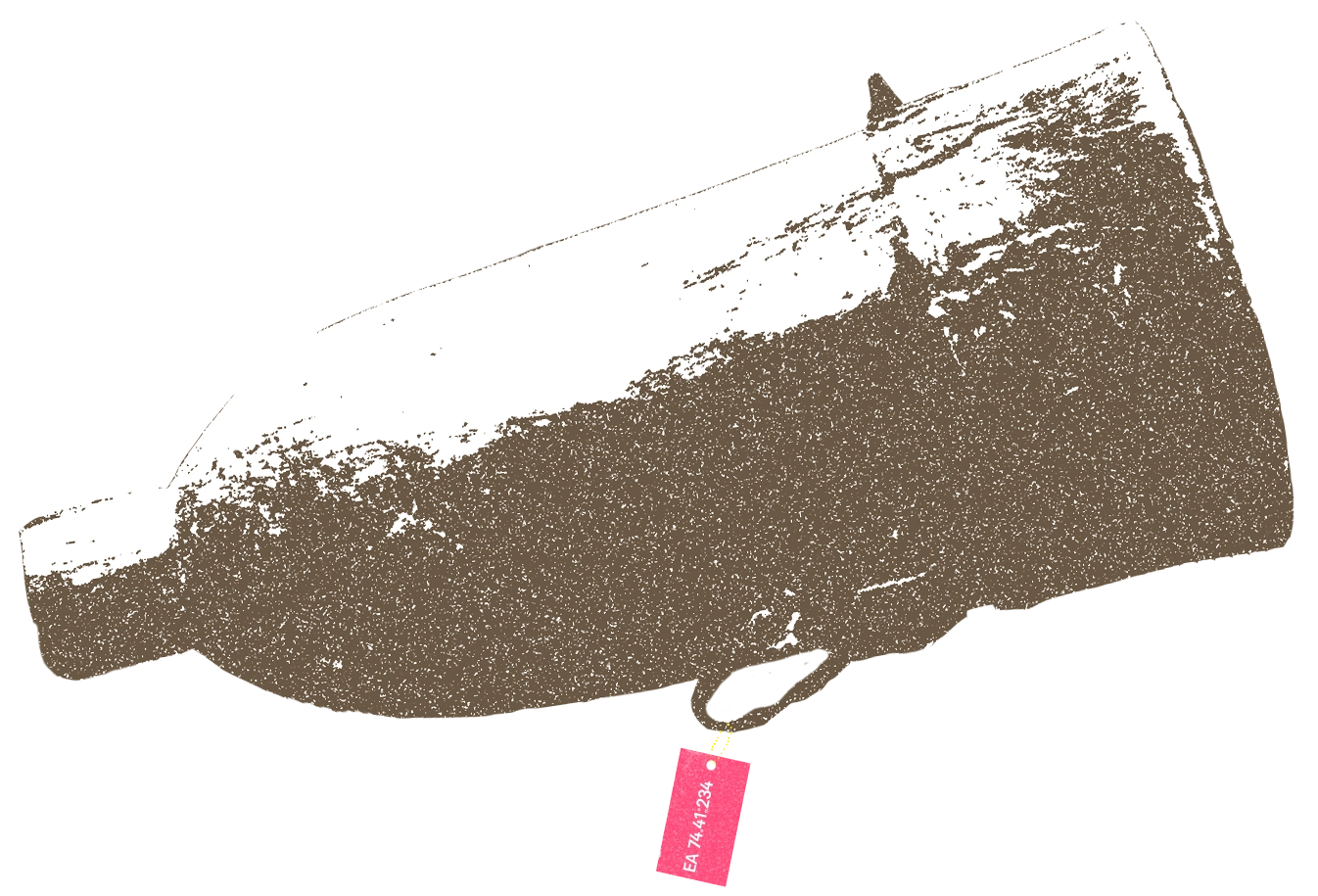
Dancing Instruments - in Conversation with Looted oBjeCTs
Curated by:
Aino Moongo, Claude Jansen, Fabrice Mazliah,
Dr. Jacob Jacs Nashilongwe-Shipwe Mushaandja Sakaria,
Shishani Vranckx
Concept by:
Claude Jansen
Web Design and implementation:
Eleni Tongidou
Layout and graphic design:
Phillip Staffa
Coordination:
Hannah Shong
Production:
Anna Hennecke
Healers:
Linea Paulus 'Kuku Omunyekadi'
Albertina Ausiku
Drummers:
Festus Johannes
Joseph Johannes
Taapopi Ndafimana
Ethen Sauzuo
Sililo Luswenyo
Stebbens 'Baba' Mukwa
Knowledge Keeper & Transfer:
Dr. Lovisa Nampala
Space:
Jumoke Olusanmi, Michael Böhler
Sound:
Afro Nyambali, Christine Bösch-Supan, Mark Aitken, Tschuku Tschuku
Costumes:
Maria Caley, Loini Iizyenda
Films:
Trailer / Drummer
Lila Swanepoel
Georgi Kovachev
Michael Böhler
Fellemon Handuukeme Ndongo
Dance:
Justina Andreas; Bupe Chiwala
Photography:
Lambro Tsiliyiannis, Simone Scardovelli
Moderation:
Dr. Andreas Weber, Sarah Bergh
Production:
Gabriela Vasileva
Julia zur Lippe
Rachel Shiweda